Introduction
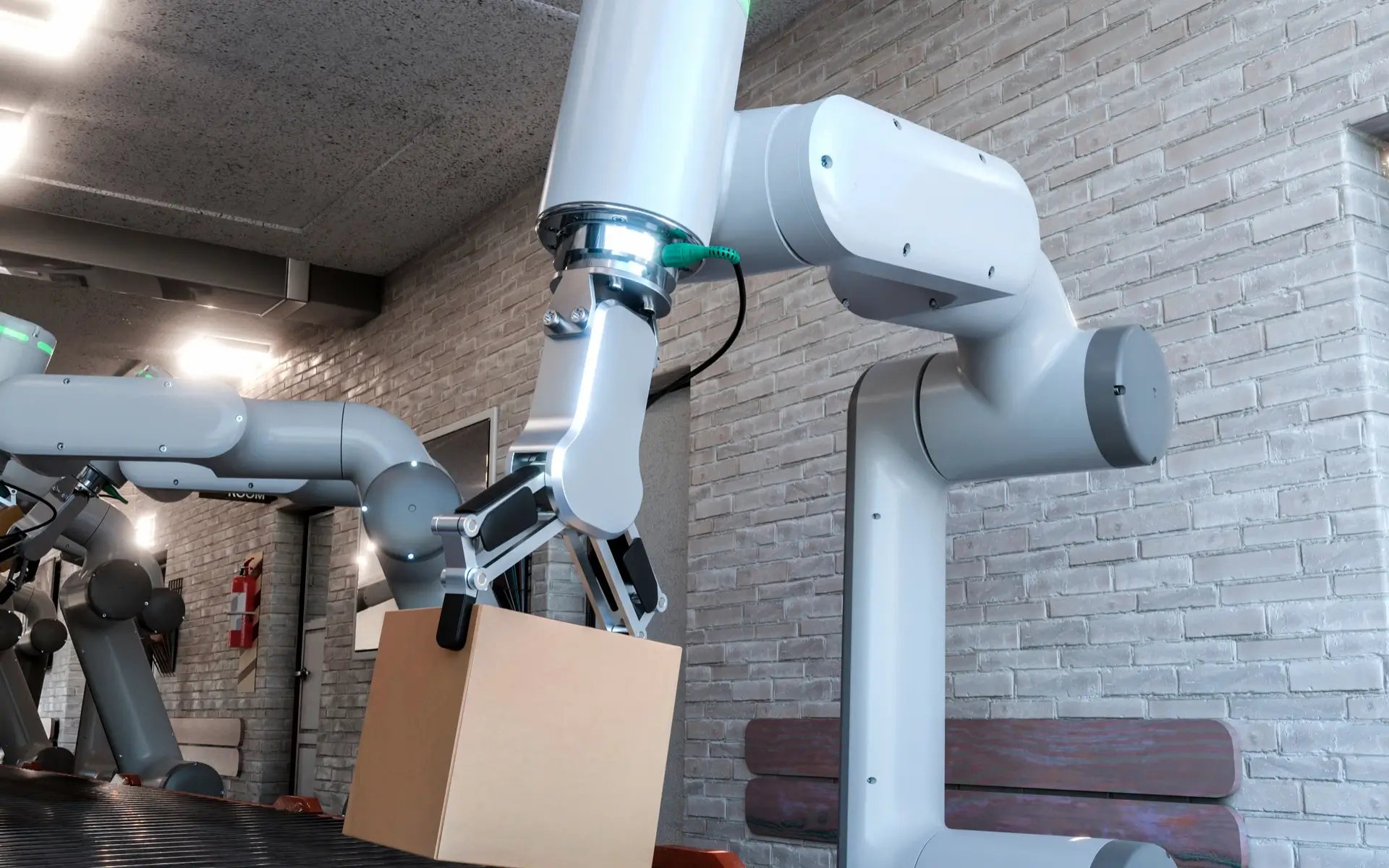
Maufacturing is entering a new era where technology, data, and automation are becoming essential parts of everyday operations. From connected production lines to intelligent monitoring systems, modern facilities are finding new ways to improve efficiency while maintaining high standards of safety and quality.
Smart manufacturing is not simply about replacing traditional equipment with new technology. It is about creating a more connected and responsive production environment where teams can make better decisions, reduce waste, and adapt quickly to changing demands.
What Is Smart Manufacturing?
Smart manufacturing combines advanced technologies with established industrial processes to create more efficient and connected operations. Machines, systems, and teams can share information in real time, allowing manufacturers to identify problems earlier and optimize production continuously.
Key technologies often include:
- Industrial Internet of Things (IIoT)
- Automated production systems
- Real-time equipment monitoring
- Data analytics and predictive maintenance
- Digital production planning
- Cloud-connected industrial platforms
The result is a production environment that can respond faster to operational challenges while giving teams greater visibility into every stage of the manufacturing process.
Improving Efficiency Through Connected Operations
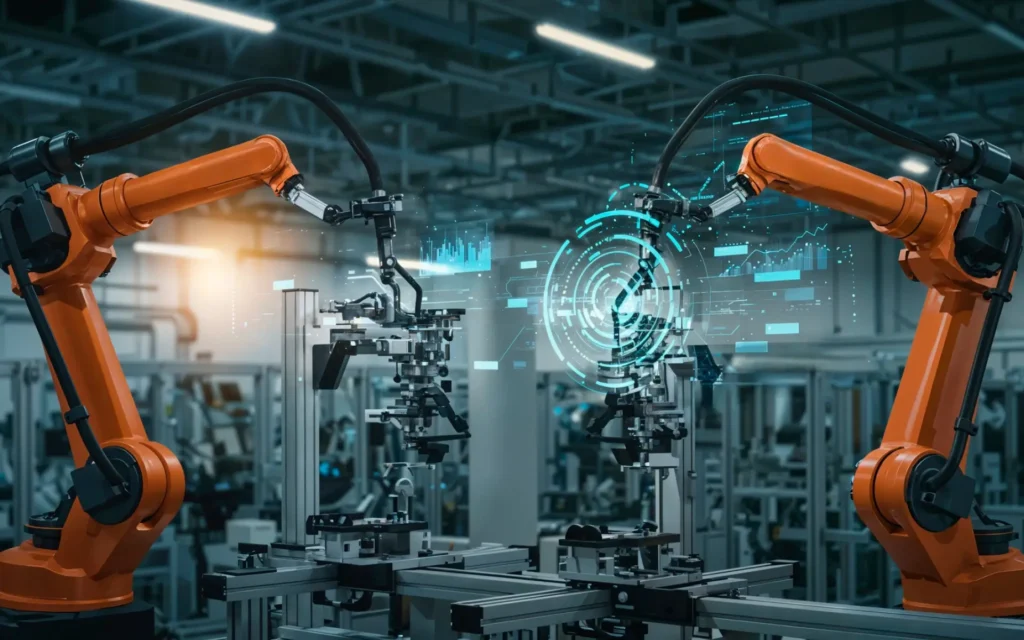
One of the biggest advantages of smart manufacturing is improved operational efficiency. Connected equipment can continuously collect information about production performance, energy consumption, equipment condition, and potential issues.
Instead of waiting for a machine to fail or a production problem to become visible, teams can use real-time information to identify early warning signs and take action before they affect the wider operation.
Conclusion
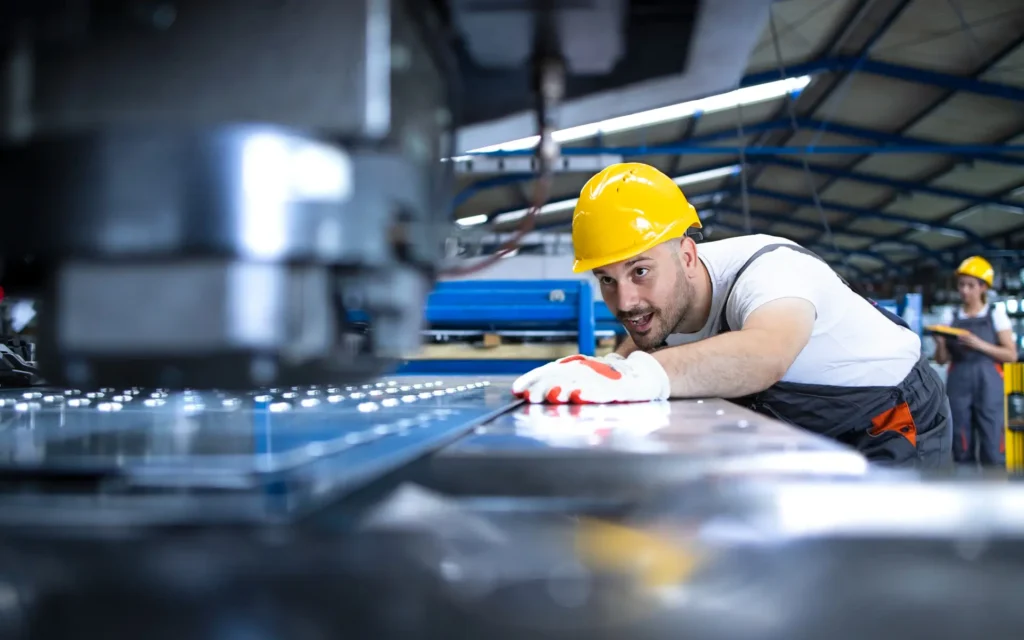
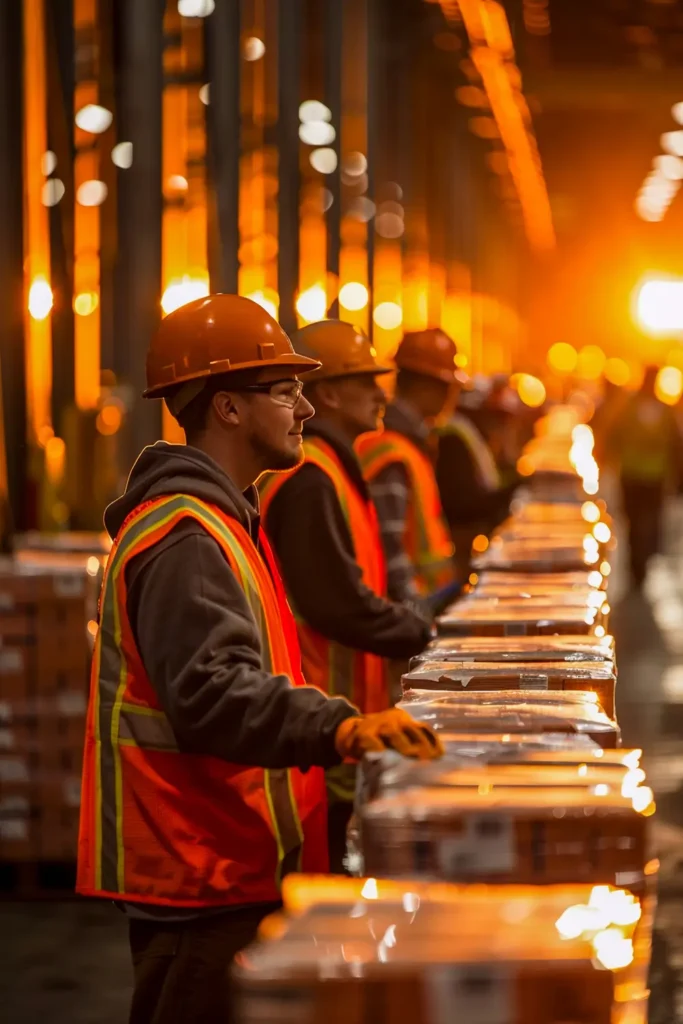
Smart manufacturing represents an important step toward a more efficient and connected industrial future. By combining technology, data, automation, and human expertise, manufacturers can build operations that are more productive, resilient, and prepared for change.
The journey does not have to happen all at once. With the right strategy, even small improvements can become the foundation for a larger transformation.
The future of manufacturing is not only about smarter machines. It is about creating smarter operations.